Connecting chefs with exceptional ingredientsand the people behind them - from the Principality of Monaco
Supplier Stories

Dai Dai:
a Tuscan Story
in One Small Bite

Born from Castiglioncello’s late-1920s cassatina tradition and revived by Toni Bartoletti in 1984, Dai Dai makes hand-finished frozen bites for exacting hospitality service.

Published
1 September 2017
Location
Castiglioncello, Tuscany
Reading time
11 minutes
Tags
Captains & Crew Lounge, Monaco Yacht Show

Before Dai Dai was a brand, it was a sound in the pinewoods.

In the late 1920s, a village ice-cream maker crossed the gravel paths of Castiglioncello with a cart, a chocolate-covered cream cassatina and a donkey named Dorotea. The maker’s call of “dai, dai” – come on, come on – became inseparable from the treat itself. Nearly a century later, the name remains attached to a family producer whose frozen desserts are still made by hand and whose smallest format, the 10-gram Bocconcino, has found a precise role in contemporary hospitality.

Producer
Gelateria Artigianale Dai Dai
Family artisan gelateria
Place
Castiglioncello, Tuscany
Etruscan Coast, province of Livorno
Heritage
Late 1920s / revived 1984
Dorotea, the cassatina and Toni Bartoletti
Signature format
Bocconcino
70 hand-finished frozen bites, 10 g each
MDG relationship
Exclusive Monaco distributor
Frozen provisioning for yacht and private hospitality
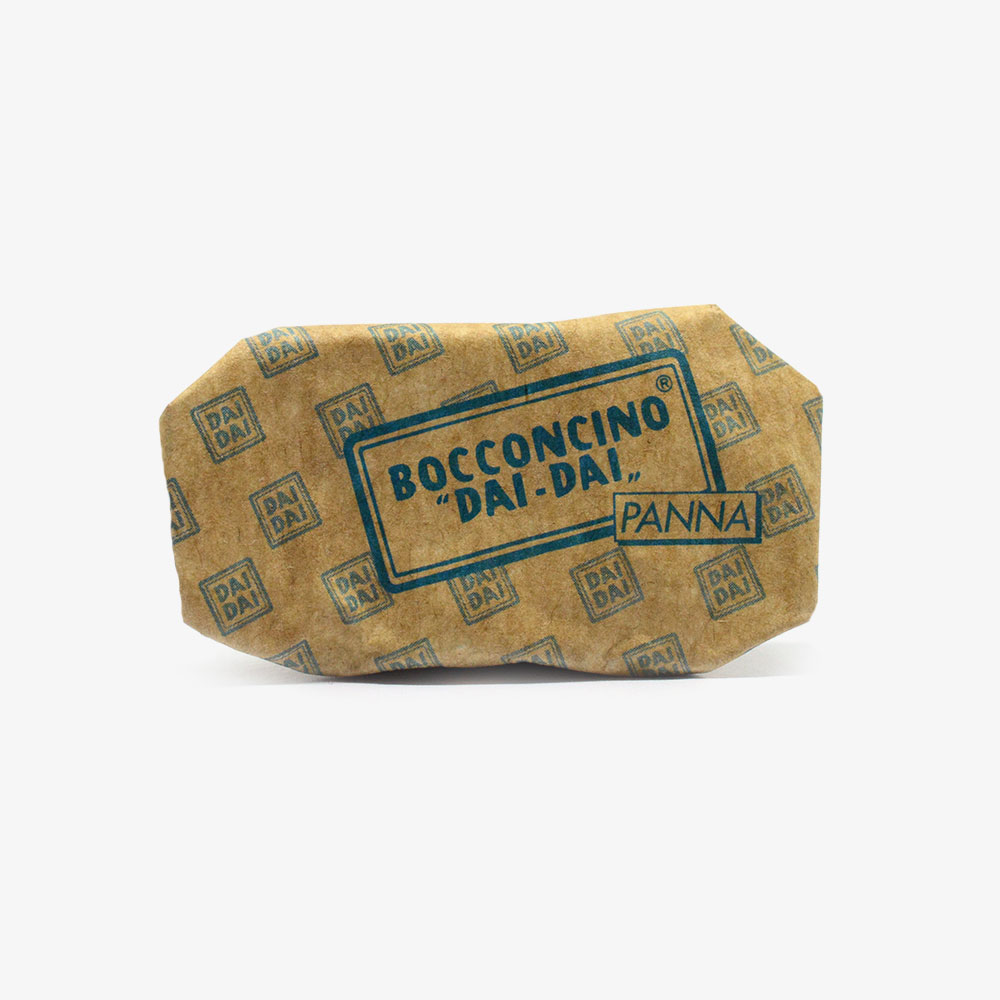
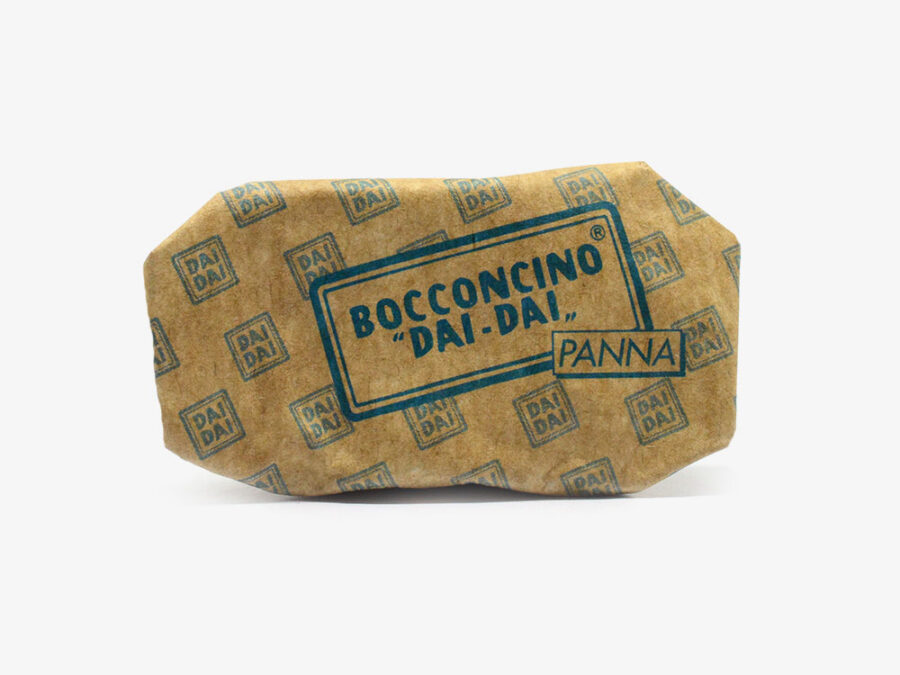
Individually wrapped Dai Dai cream Bocconcino.

A name heard before the cart appeared

Castiglioncello has always lent itself to stories carried by sound: cicadas in the pinewood, gravel underfoot, the sea against the promontory. Dai Dai’s own history begins there, at the end of the 1920s, with a village ice-cream maker moving between the paths and summer gathering places in a cart pulled by Dorotea.

The product was a cassatina: cream gelato enclosed in chocolate. Before mechanical refrigeration could follow a vendor through the village, the pieces were held cold in a mixture of ice and salt. It was a simple mobile system, dependent on preparation, timing and the willingness of Dorotea to continue through the heat.

When she slowed, the encouragement was “dai, dai”. In Italian, the words can mean come on, keep going. According to the producer, people began to connect the call with the arrival of the cassatine. The sound became the product’s informal name long before it became the identity of a modern company.

The detail matters because it keeps Dai Dai anchored in something more specific than nostalgia. The name records a way of selling a frozen dessert before today’s cold chain, through a coastal village whose summer life unfolded on foot, under trees and close to the sea.

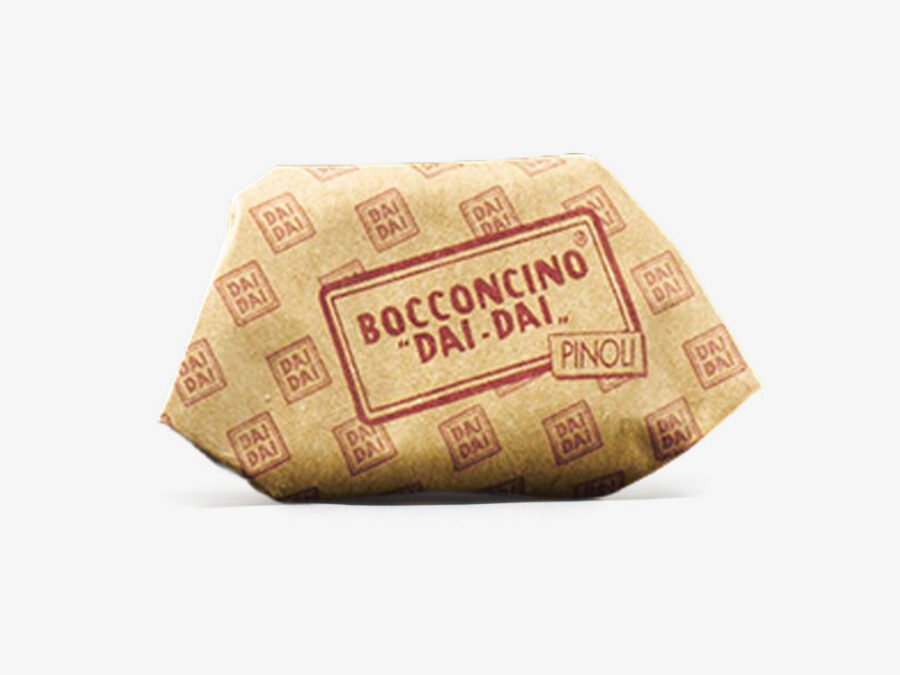
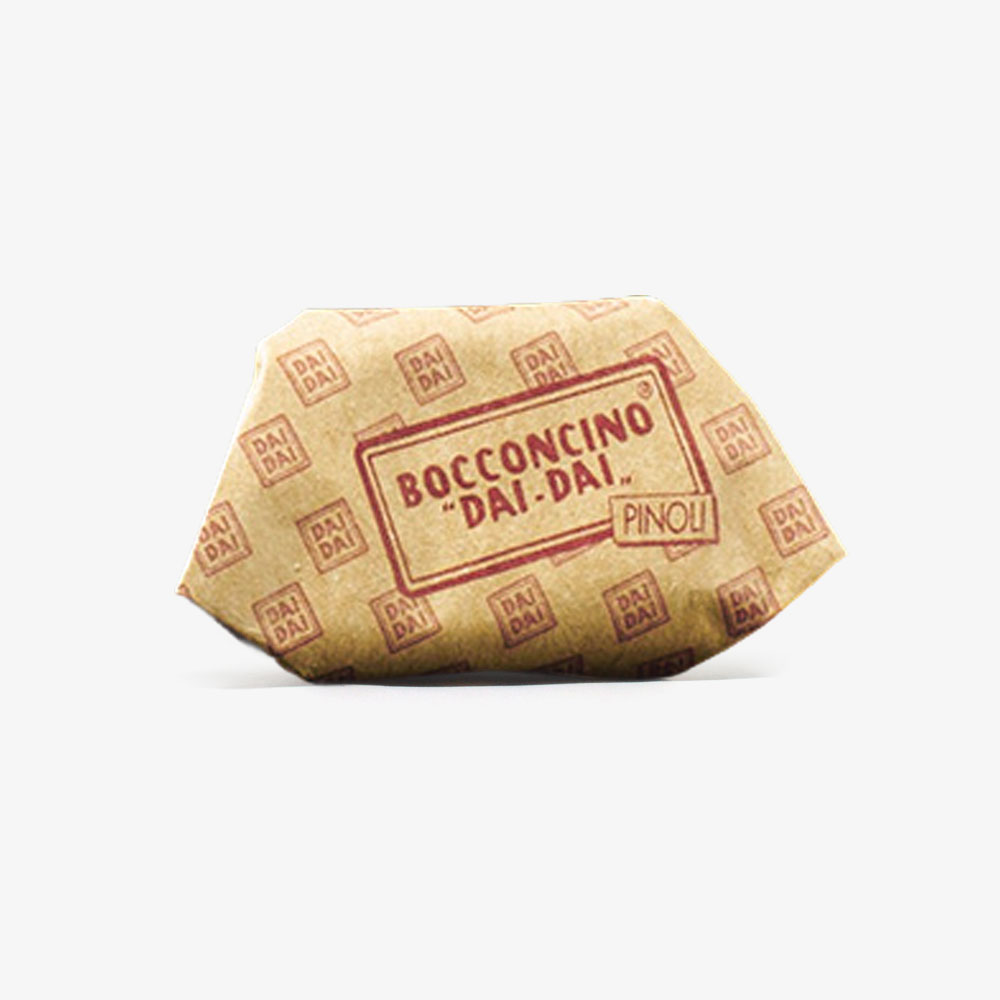
Individually wrapped Dai Dai pine nut Bocconcino.

Castiglioncello and the taste of a place

Castiglioncello sits on a promontory along Tuscany’s Etruscan Coast, where red rock, sheltered coves, Mediterranean vegetation and a dense pinewood meet the Tyrrhenian Sea. The official Tuscan tourism account also places it within a cultural landscape shaped by the Macchiaioli painters and, later, by Italian cinema. In the nineteenth century, artists gathered around the estate of critic and patron Diego Martelli. In the twentieth, the coastline became associated with the relaxed glamour of Italian summer films, including Dino Risi’s Il Sorpasso.

Dai Dai belongs to this geography without needing to turn it into theatre. The cassatina was food for the village’s paths, bars, tennis club and beach life. Its appeal lay in contrast: cold cream, a thin chocolate covering, and a scale small enough to interrupt an afternoon without ending it.

The war disrupted that first period. Production later resumed, but the original maker and Dorotea eventually passed from the scene. The name remained in local memory. That memory reached Toni Bartoletti, who had grown up around the hospitality businesses run by his family and remembered eating the cassatina as a child.

The cassatina before the Bocconcino

One contrast, translated into a smaller service format.

The Bocconcino did not replace the cassatina; it translated its central idea. The original established the contrast between soft frozen cream and chocolate. The later format made that contrast smaller, more regular in service and easier to offer as one or two measured bites.

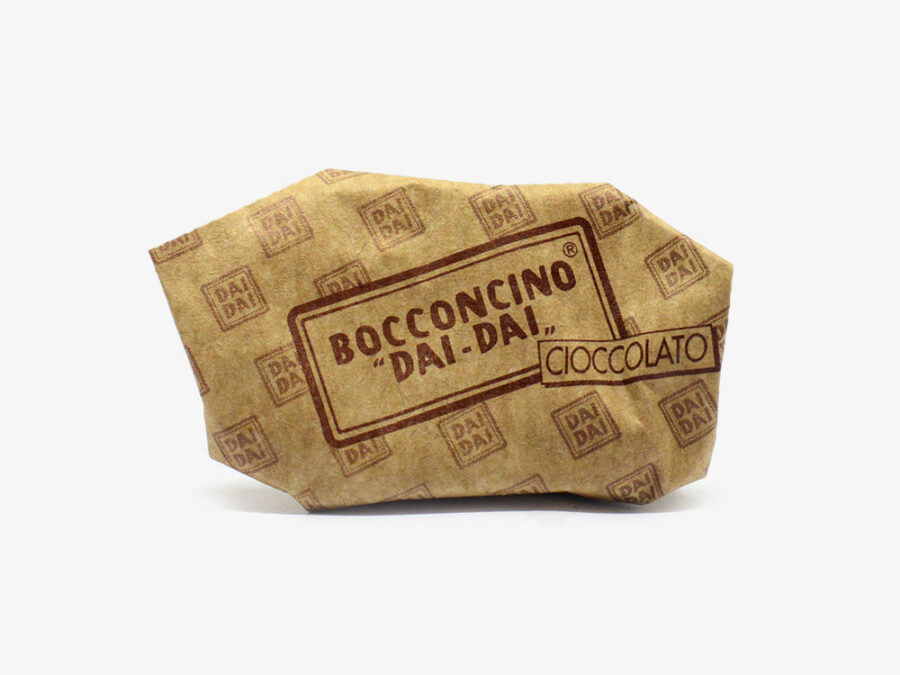
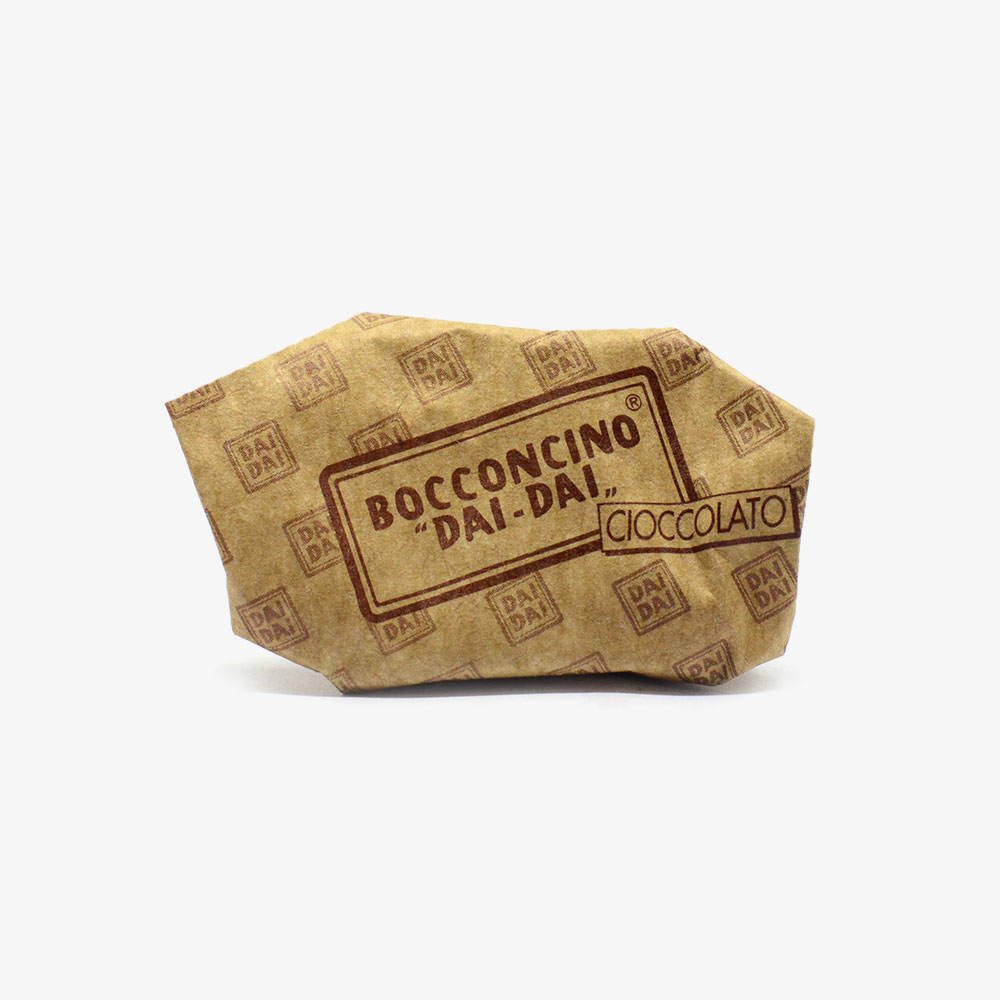
Individually wrapped Dai Dai chocolate Bocconcino.

Toni and the 1984 revival

At the beginning of the 1980s, Toni was working in Castiglioncello in the family tourism business. The old gelataio was gone, but the cassatina remained part of the town’s shared taste memory. Toni set out to recover it. Dai Dai’s official account says he acquired the authentic preparation process and the rights to produce the cassatina.

In 1984 he opened his first pastry laboratory in a cellar in Casale Marittimo, a hill village a short distance inland. The current company dates its beginning from that laboratory. The years that followed were devoted to refining recipes, finding customers and making a manual process dependable enough to travel beyond the immediate coast.

The Bocconcino emerged from that work. Dai Dai describes the original cream version as Toni’s response to a request for a more bon ton gelato, designed to be eaten in a couple of bites. Its name simply means a small mouthful. The format keeps the sensory structure of the cassatina while changing the scale: a compact frozen centre, a fine coating and an individual wrapper.

Today Toni’s children, Bernardo, Allegra and Rosa, continue the business. The continuity is not only genealogical. The company still presents manual production, small quantities and the judgement of its pastry team as defining parts of the product.

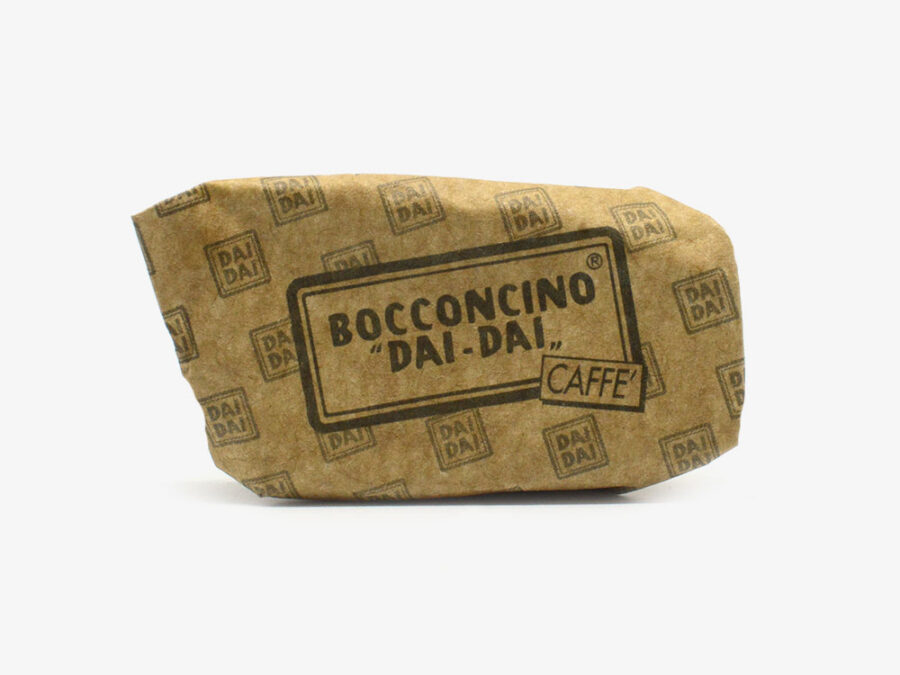
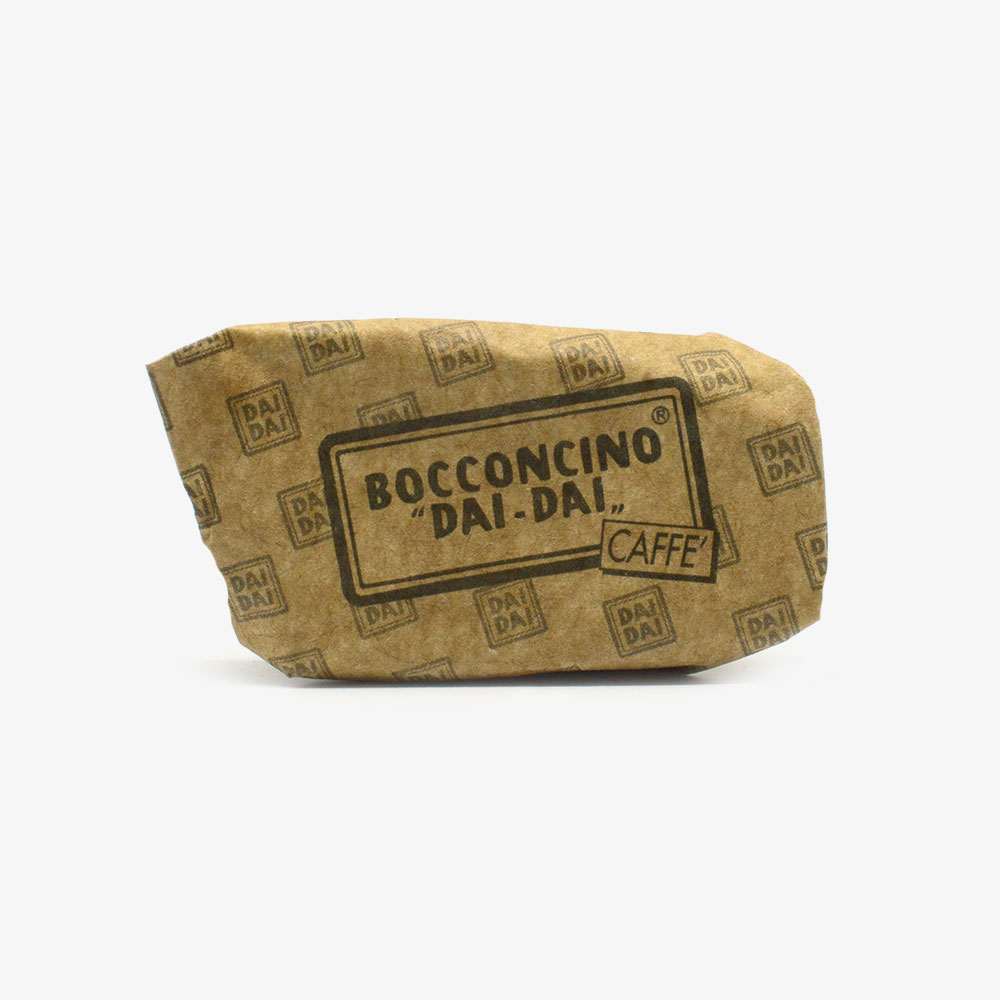
Individually wrapped Dai Dai coffee Bocconcino.

Made by hand, in small quantities

The phrase “artisan gelato” is easy to print and harder to explain. At Dai Dai, the useful evidence is in the sequence of work. The producer says its cassatine, Bocconcini, mattonelle and other frozen desserts are made entirely by hand. Its preparation page describes a process organised in small quantities so that each stage can be followed closely.

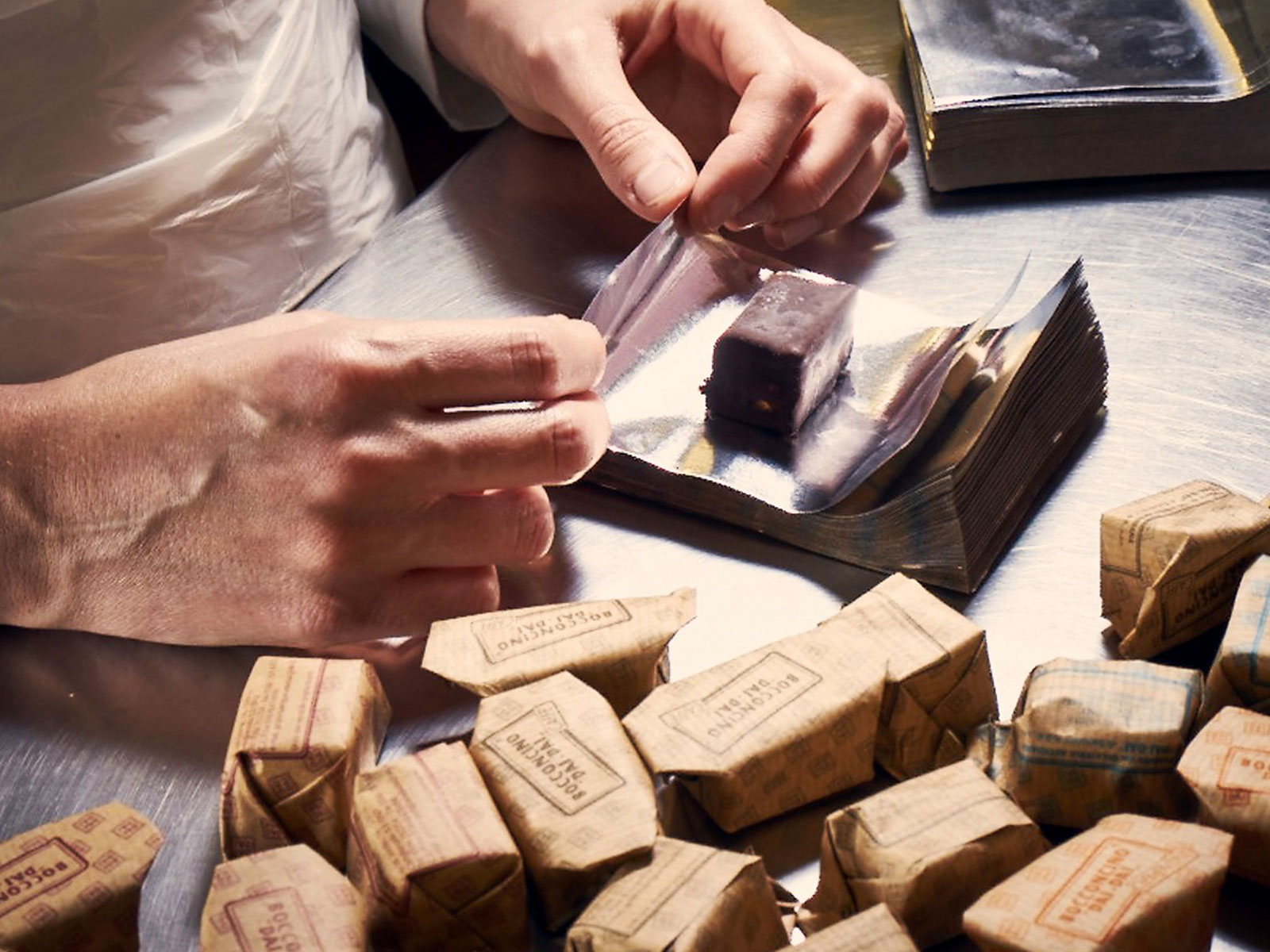
A production visit published by Bindella described freshly chocolate-coated Bocconcini hanging in the workroom while the fine covering set. Reporting by Il Tirreno in 2019 documented millions of pieces a year that were still being wrapped by hand. The scale is substantial, but the gestures remain visible in the finished product: slight differences between pieces rather than the absolute uniformity of an industrial mould.

The base recipe is short and recognisable. Dai Dai identifies fresh milk and cream, egg yolk, wheat flour, chocolate and sugar as the principal ingredients shared by the Bocconcini. That does not mean every flavour has the same formula. Fruit preparations, coffee, mint, banana or pine nuts change the composition, allergens and handling information.

This is where careful supplier language matters. Dai Dai’s general production philosophy emphasises fresh Italian ingredients and rejects industrial shortcuts. Current product pages and technical sheets remain the controlling source for chefs. Several list food gelatine, soy lecithin or flavourings, and the core recipe contains milk, egg and wheat. Pine nut and other flavours add further allergen considerations. A professional kitchen should therefore read the specification for the exact product ordered, not rely on a broad statement about the brand.

Familiar ingredients, exact information

Craftsmanship and technical documentation should support one another.

Purity is not created by pretending a label is simpler than it is. It comes from knowing what each component does, keeping the recipe legible and giving the kitchen accurate information. For Dai Dai, the exact product specification must govern ingredients, allergens, storage and shelf life.

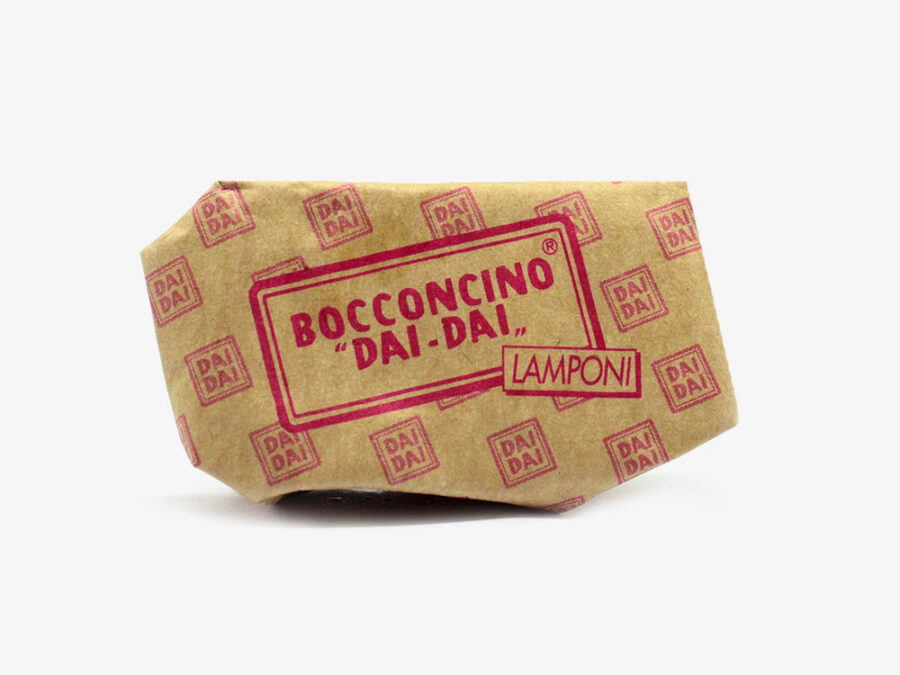
Individually wrapped Dai Dai raspberry Bocconcino.

Ten grams, many service possibilities

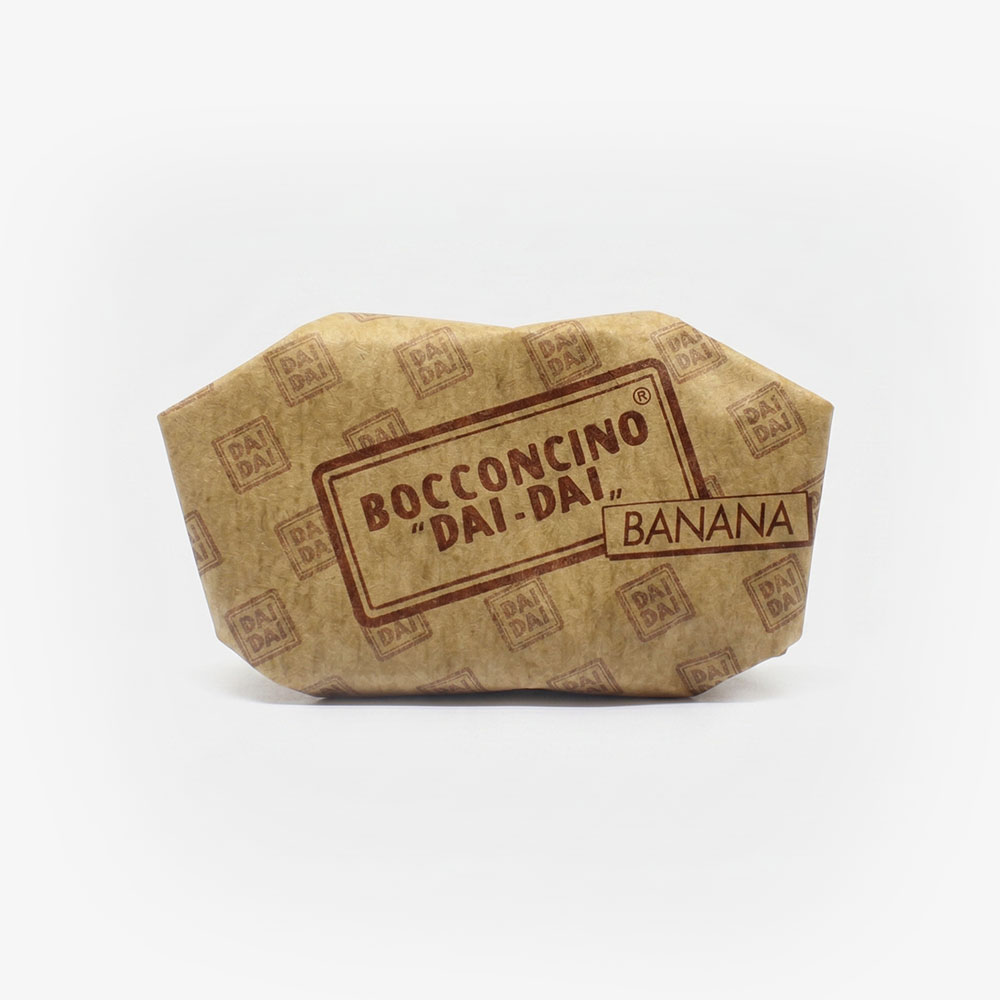
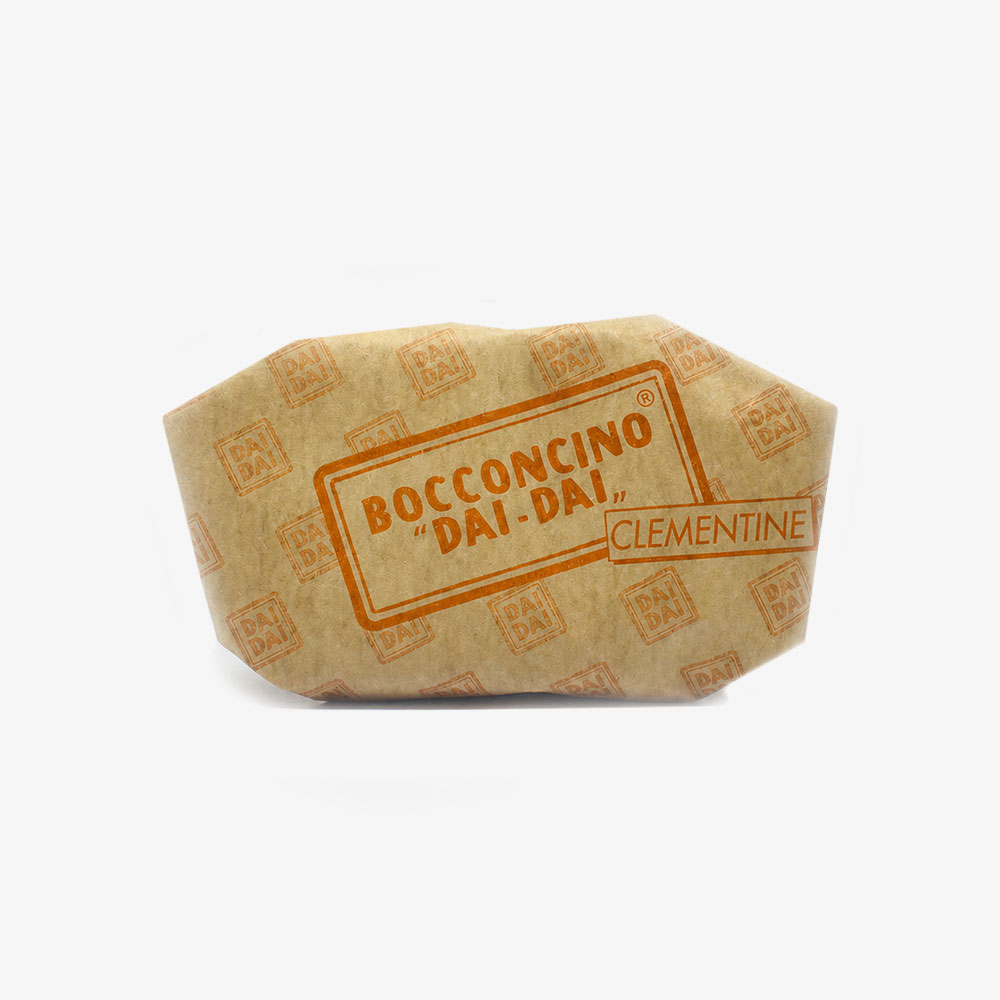
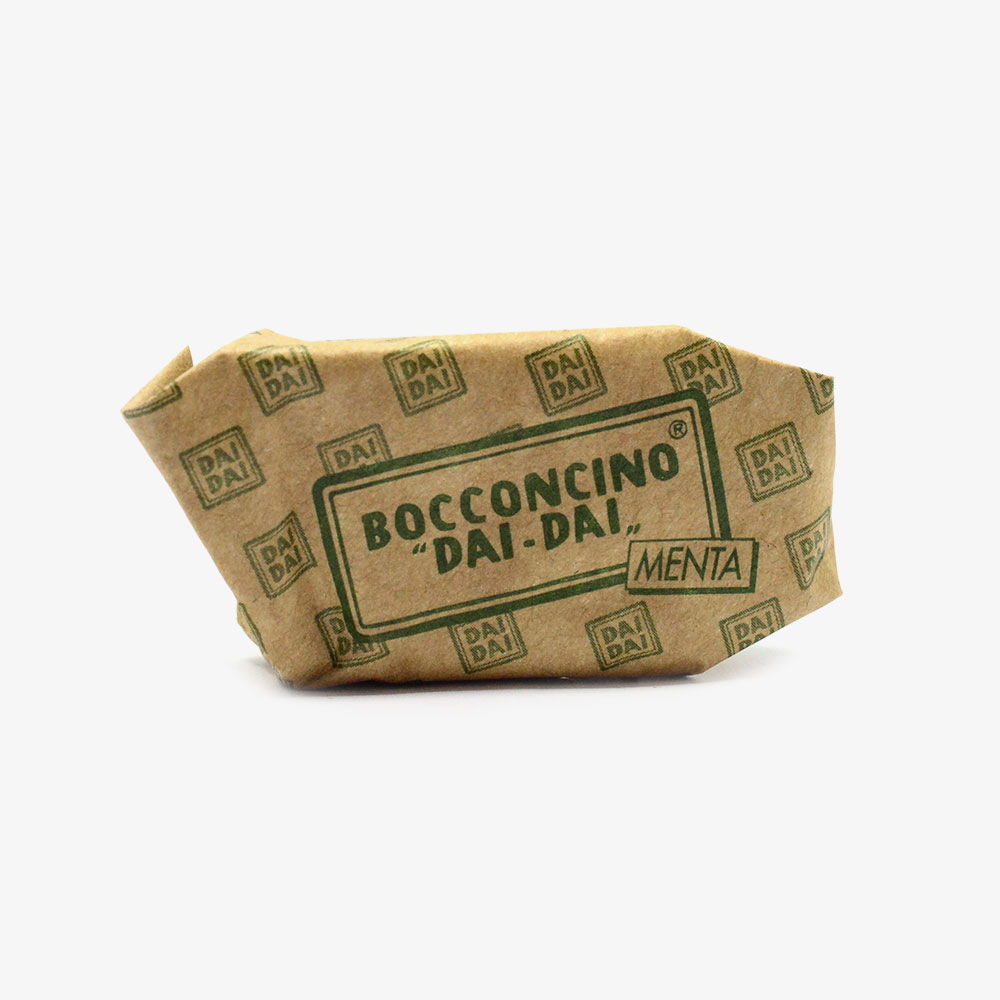
At the time of publication, Maison del Gusto’s English catalogue carries eight Dai Dai Bocconcini: cream, coffee, chocolate, mint, banana, clementine, raspberry and pine nut. Each box contains 70 individually wrapped pieces of approximately 10 grams.

The value of the format is not that it replaces a pastry chef’s dessert. It gives the chef and interior team a small, finished element that can be used with intent. One piece can accompany coffee. Two or three flavours can close a tasting menu without forcing a full additional course. A Bocconcino can sit beside seasonal fruit, a warm sauce, a brittle or a spoon of granita as part of a plated composition. During a reception, the individual scale makes it possible to offer a frozen sweet bite in a controlled sequence.

For yacht service, portion consistency helps, but cold-chain discipline is essential. Current technical documentation for the cream version specifies storage between -18 C and -25 C and ready-to-eat service. The pieces should remain frozen until needed, with the current product sheet governing storage, allergens and shelf life.

That requirement also sets the limit of the format. A Bocconcino is not an ambient chocolate and should not be left unattended through a cabin turndown. It can work as a timed evening cabin treat if the interior team serves it directly from frozen, or as part of a late-night tray delivered for immediate enjoyment. The distinction is practical and protects the texture the producer worked to create.

The individual wrapper gives each piece its recognisable presentation and protects it in the box, but it also creates a service task. For a large reception, the team should plan freezer access, unwrapping and tray rotation before guests arrive. The format works best when its apparent simplicity is supported by quiet preparation.
Shop the collection

Explore Dai Dai through Maison del Gusto

A Tuscan Story in One Bite

Gelateria Artigianale DAI DAI

In Castiglioncello, Dai Dai preserves a late-1920s cassatina tradition through hand-finished frozen desserts, including the 10-gram Bocconcino made for precise hospitality service.

Read the story

From Castiglioncello to Monaco

A small frozen finish supported by a precise cold chain.

Maison del Gusto is Dai Dai’s exclusive distributor in Monaco. The relationship connects a Tuscan frozen product with the operational demands of yachts, villas and private hospitality: confirmed flavours, temperature-controlled delivery, current technical information and quantities matched to the style of service.

Dai Dai has also become part of MDG’s hospitality language at Monaco Yacht Show. It was presented during Captains & Crew Lounge programming in 2021 and appeared again during an MDG networking session in 2024. Those occasions show where the Bocconcino is most convincing: not as a grand claim, but as a small, memorable finish that lets a producer story enter the room through taste.

The journey from Dorotea’s cart to a superyacht freezer is long, but the principle has changed less than the logistics. The cassatina had to arrive cold, intact and at the right moment. The Bocconcino asks for the same discipline. Behind its ten grams are Castiglioncello, a recovered recipe, a family decision in 1984 and the hands that still finish each piece.

Dai Dai for professional hospitality
Maison del Gusto

Bring a Tuscan bite aboard

Maison del Gusto is Dai Dai’s exclusive distributor in Monaco. Speak with the team about current flavours, frozen delivery and service quantities for yachts, villas and private hospitality.

Explore Dai Dai provisioning
Stories Encounters, producers and craft behind the Maison del Gusto selection. Frequently Asked Questions Answers about products, experiences, orders and delivery. Contact Us For orders, bespoke requests or questions, our team replies personally.