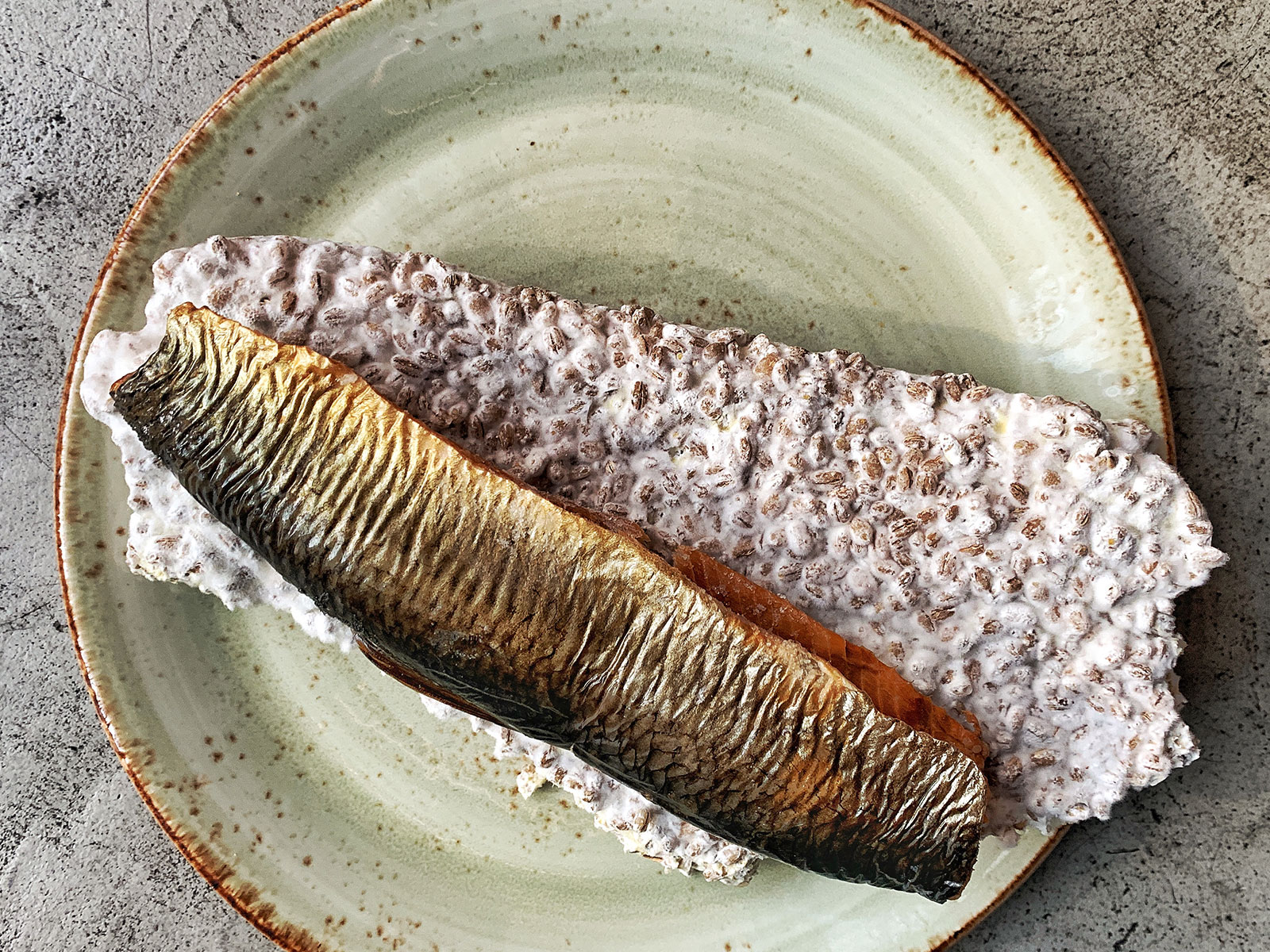
b.culture: Fermentation, Byproducts and Nordic Flavour
Founded in Oslo by Will Moffat and Mikael Svensson, b.culture transforms selected byproducts and Nordic ingredients into garums, shoyus, vinegars and miso-style seasonings for serious kitchens.
A kitchen can be judged by what it celebrates. It can also be judged by what it refuses to overlook.
In Oslo, b.culture works with both sides of that idea. Its garums, shoyus, vinegars and miso-style seasonings are made to deliver flavour first. Yet many begin with a second question: what else can this ingredient become? Founded in 2020 by chef and fermenter Will Moffat and Kontrast chef-owner Mikael Svensson, the company turns fermentation knowledge into practical condiments for restaurants, yacht galleys and private-hospitality kitchens.
One missing miso, one larger question
b.culture grew from a practical restaurant problem. Mikael Svensson wanted a style of miso that was not readily available in Norway. At the same time, Kontrast had valuable byproducts that did not fit easily into the pace and space of restaurant mise en place. Fermentation offered a way to work with both: create the missing ingredient, and give selected materials enough time and attention to take on a new function.
Kontrast now holds two Michelin stars and a Michelin Green Star, and Michelin’s own account of the restaurant points to the relationship with b.culture, through which food byproducts become fermented condiments. The circle is unusually legible: an ingredient enters the restaurant, its primary use is served, and another part moves into a different process before returning to the kitchen with a new function.
The company name captures the method and the attitude. It refers to bacterial cultures, the living systems at the heart of fermentation, and to the B-side of a record: the less obvious, more experimental side where ideas can develop without needing to look familiar. John E. Njoki, a close friend of the founders and now a partner, created the name and much of b.culture’s visual identity.
A living process, made repeatable
Will Moffat is the maker behind the range. b.culture’s official biography says that he spent more than 20 years as a chef across five countries before focusing on fermentation. Today he grows the koji, develops and tends the ferments, bottles the finished products and labels them. That continuity matters. Fermentation may rely on living organisms, but reliable products do not come from leaving things to chance. They come from repeated observation, controlled process and the judgement to recognise when a batch is ready.
Koji sits at the centre of much of the range. It is cooked grain cultivated with Aspergillus oryzae, whose enzymes break down starches and proteins. At b.culture, barley koji is paired with materials available to a Nordic kitchen: oyster mushrooms, coffee, shellfish, smoked fish, beef, cheese and peas.
Ingredient Spotlight
Fermented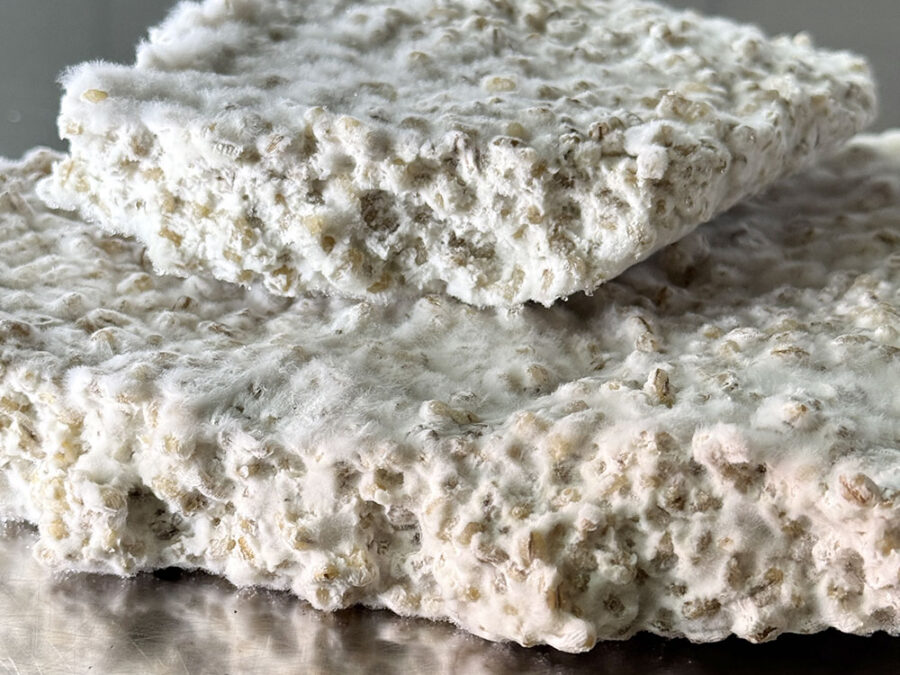
Koji
Aspergillus oryzae
Cooked grain cultivated with Aspergillus oryzae. The culture’s enzymes break down starches and proteins, helping b.culture turn barley, peas, mushrooms, seafood, meat and other materials into deeply savoury seasonings.
- Origin
- East Asian fermentation tradition
- Region
- Cultivated by b.culture in Oslo
- Season
- Year-round under controlled conditions
- Producer
- b.culture
Tasting notes
Sweet cereal aroma at the culture stage; finished character depends on substrate, salt, temperature and ageing.
Culinary uses
Foundation for miso-style pastes, shoyus, garums, marinades, seasonings and controlled ingredient transformation.
Storage & provisioning
Follow the maker's instructions for each finished product. Controlled fermentation requires professional food-safety practice.
Flavour with a job to do
Coffee Shoyu uses spent coffee grounds and brings roasted coffee, dark chocolate and savoury length to game sauces, glazes, reductions and some desserts. Mushroom Shoyu gives vegetable cooking an earthy route to depth. Langoustine Garum is built for shellfish sauces and finishing; Bokling Garum carries smoke and salinity; Beef Garum brings roasted-meat character to stocks, glazes and pan juices.
The wider range includes Parmesan Garum, Beer Vinegar and Amai Peaso, a pea-based miso-style seasoning. These are not interchangeable shortcuts. Each carries its source material, aroma, salt, allergen profile and intensity. Professional buyers should use the current specification, and cooks should taste before they dose.
Flavour before virtue
Circularity matters because the finished ingredient earns a place in the kitchen.
Not every b.culture product begins as waste, and the distinction matters. Some deliberately use spent coffee, seafood byproducts, parmesan rind or visually imperfect vegetables; others begin with ingredients selected for the product. The principle is not that every material must first be discarded. It is that an ingredient should be understood fully before its possibilities are declared finished. Sustainability gives the work direction, but flavour gives it a reason to continue.
Supplier knowledge made practical
The right bottle is the one a chef understands well enough to use deliberately. Maison del Gusto is listed by b.culture as its stockist for Monaco and France. For yacht and private-hospitality kitchens, that relationship should carry more than availability. Chefs need to know what each ferment is made from, how concentrated it is, what function it performs, how it should be stored and where its allergens sit. MDG’s role is to connect that producer knowledge with the realities of provisioning and service.

Put fermentation to work
Maison del Gusto sources b.culture garums and shoyus for Monaco, France and professional hospitality. Speak with the team about the right product, format and use for your kitchen.
Enquire about b.culture